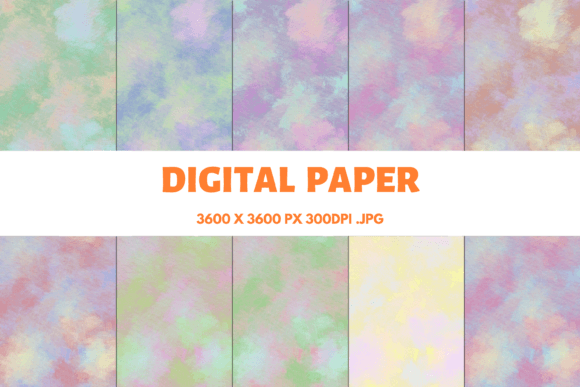
Watercolor Texture Digital Papers 1: A Versatile Tool for Creative Projects
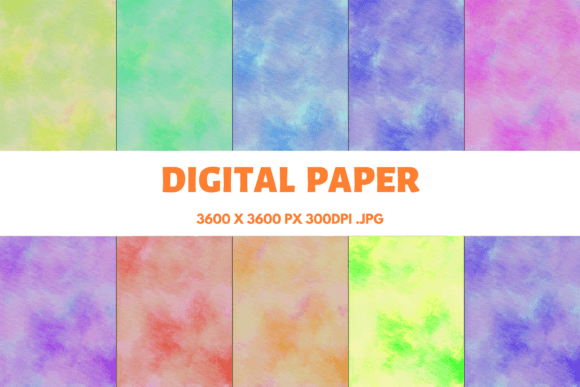
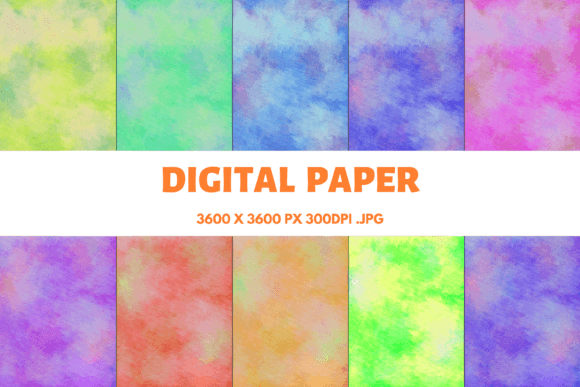
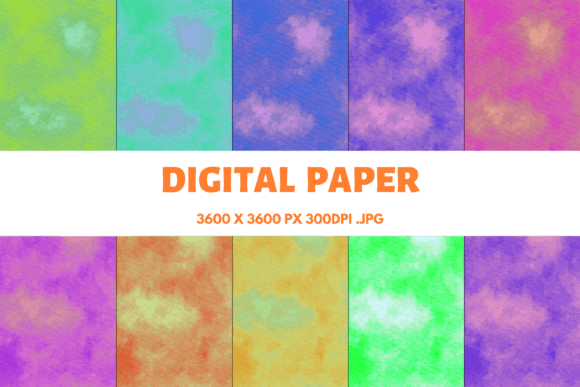
Watercolor Texture Digital Papers 1 is a high-quality digital paper bundle designed to enhance the visual appeal of a wide range of creative projects. This collection includes 10 JPG digital papers, each with a resolution of 300 DPI and dimensions of 3600×3600 pixels, making them suitable for printing at 12×12 inches. Whether you're designing promotional materials, creating custom products, or working on personal art projects, these textures offer a natural and artistic feel that can elevate your work.
Understanding Watercolor Texture Digital Papers 1
Watercolor Texture Digital Papers 1 is more than just a set of images; it's a resource that can be integrated into various stages of a creative workflow. These digital papers are crafted to mimic the look and feel of traditional watercolor paintings, providing a unique aesthetic that adds depth and character to any design. The high-resolution format ensures that the textures remain crisp and clear, even when printed at larger sizes.
The versatility of this bundle makes it an essential asset for professionals and hobbyists alike. From sublimation printing to social media graphics, the applications are nearly limitless. The ability to layer these textures over other designs allows for a seamless blend of digital and traditional art forms.
Integration into Creative Workflows
Incorporating Watercolor Texture Digital Papers 1 into your workflow begins with understanding where it fits best. For designers and creators, these papers can serve as backgrounds for logos, invitations, and product packaging. They provide a subtle yet impactful texture that can complement other design elements without overpowering them.
Before starting a project, consider how the texture will interact with other assets. If you're working on a logo, for example, using a watercolor texture as a background can add a soft, organic feel that contrasts well with sharp, modern fonts. Similarly, when designing business cards, a textured background can make the text stand out while maintaining a professional appearance.
During the design process, these digital papers can be used to create cohesive themes across multiple pieces. For instance, if you're designing a series of social media posts, using the same watercolor texture in each post can help maintain brand consistency while adding a unique visual element.
After completing a project, these textures can be repurposed for different uses. A single design might be adapted for use on T-shirts, mugs, or phone cases, allowing for greater flexibility and reusability. This not only saves time but also ensures that your creative efforts have a broader impact.
Compatibility and Usability
One of the key advantages of Watercolor Texture Digital Papers 1 is its compatibility with a wide range of design software and platforms. These JPG files can be easily imported into programs like Adobe Photoshop, Illustrator, Canva, and many others. The high resolution and large file size ensure that the textures remain detailed even when scaled up for print or digital use.
When working with these digital papers, it's important to maintain consistency in color and contrast. Using tools like layers and blending modes can help integrate the textures seamlessly into your designs. Additionally, organizing your digital assets in a structured folder system can improve efficiency, especially when working on multiple projects simultaneously.
For those who frequently use sublimation printing, the high DPI of these textures ensures that the final prints retain their quality. This makes them ideal for creating custom apparel, home décor items, and other products that require a high level of detail.
Practical Implementation Tips
To get the most out of Watercolor Texture Digital Papers 1, consider the following tips:
- Layering Techniques: Experiment with layering the textures over solid colors or other patterns to achieve different effects. This can add depth and dimension to your designs.
- Color Matching: Ensure that the colors in the textures match the overall palette of your project. This helps maintain visual harmony and prevents the design from looking disjointed.
- File Organization: Keep your digital papers organized by project or theme. This makes it easier to find the right texture when you need it and reduces the risk of duplication.
- Testing Prints: Before committing to a large-scale print run, test the textures on smaller samples to ensure they meet your quality standards.
By incorporating these tips into your workflow, you can streamline the design process and produce more polished results. The goal is to create a balance between creativity and practicality, ensuring that the textures enhance rather than distract from the main message of your project.
Use Cases and Outcomes
The applications of Watercolor Texture Digital Papers 1 are diverse and can be tailored to suit a variety of needs. Here are some common use cases:
- Product Packaging: Use the textures to create eye-catching packaging that stands out on store shelves. The soft, organic feel of the watercolor textures can evoke a sense of craftsmanship and quality.
- Social Media Graphics: Incorporate these textures into social media posts to add a unique visual element that aligns with your brand identity. This can help increase engagement and attract a wider audience.
- Invitations and Stationery: Design invitations, thank-you cards, and other stationery items with a personalized touch. The textures can add a handmade feel that makes your communications more memorable.
- Custom Apparel: Create custom T-shirts, hoodies, and other clothing items with a distinctive look. The watercolor textures can be combined with text or illustrations to produce a cohesive design.
Each of these use cases demonstrates how Watercolor Texture Digital Papers 1 can be adapted to fit different needs and goals. By focusing on the outcome you want to achieve, you can make informed decisions about how to use the textures in your projects.
Long-Term Use and Quality Control
When using Watercolor Texture Digital Papers 1 over an extended period, it's important to maintain a consistent quality standard. Regularly reviewing your work and comparing it to the original textures can help identify any inconsistencies or areas for improvement.
Additionally, keeping track of which textures have been used in previous projects can prevent repetition and ensure that your designs remain fresh and engaging. This is particularly important for businesses that rely on consistent branding across all marketing materials.
Investing in a reliable storage system for your digital assets can also help protect against data loss and ensure that your textures are always accessible when needed. Cloud-based solutions or external hard drives can provide added security and convenience.
Finally, staying updated with new trends and techniques in design can help you maximize the potential of Watercolor Texture Digital Papers 1. By continuously learning and experimenting, you can discover new ways to use these textures and push the boundaries of your creative work.